
Segment
DOWNLOAD TECHNICAL PRODUCT TYRE CATALOGUES
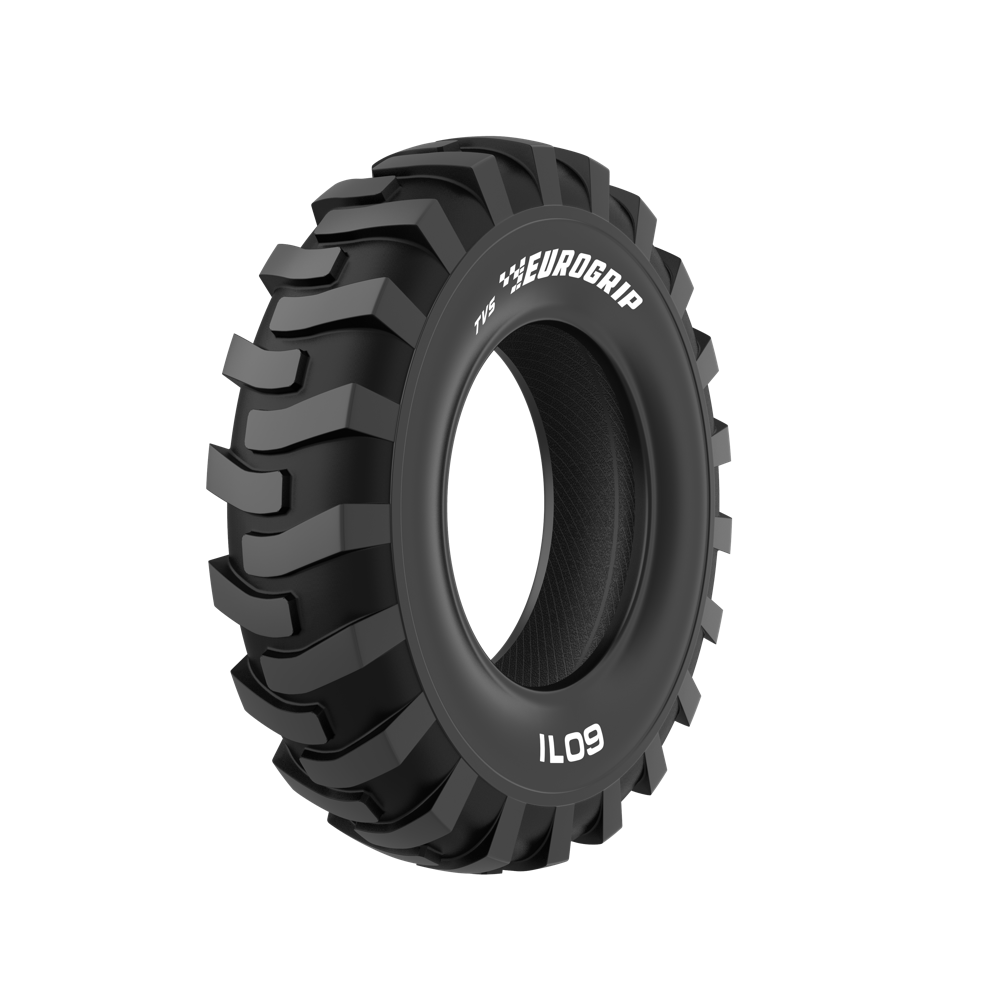
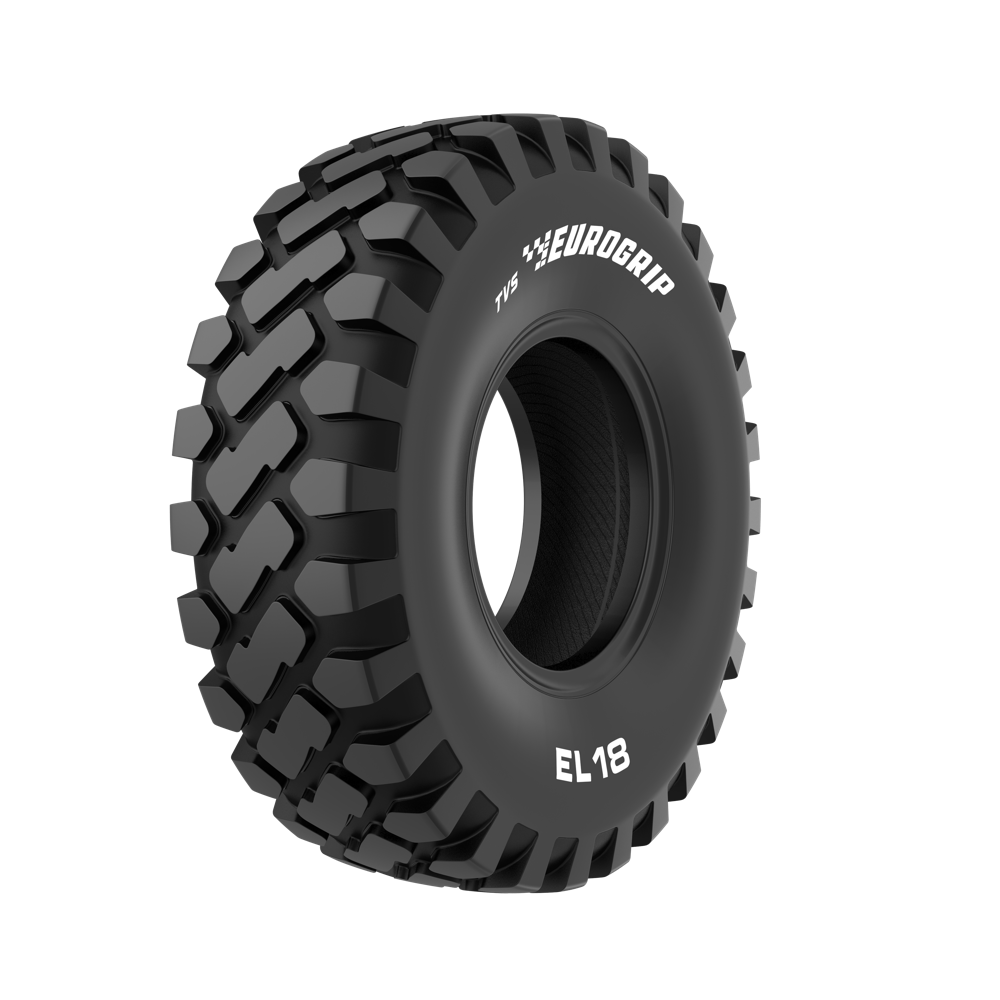
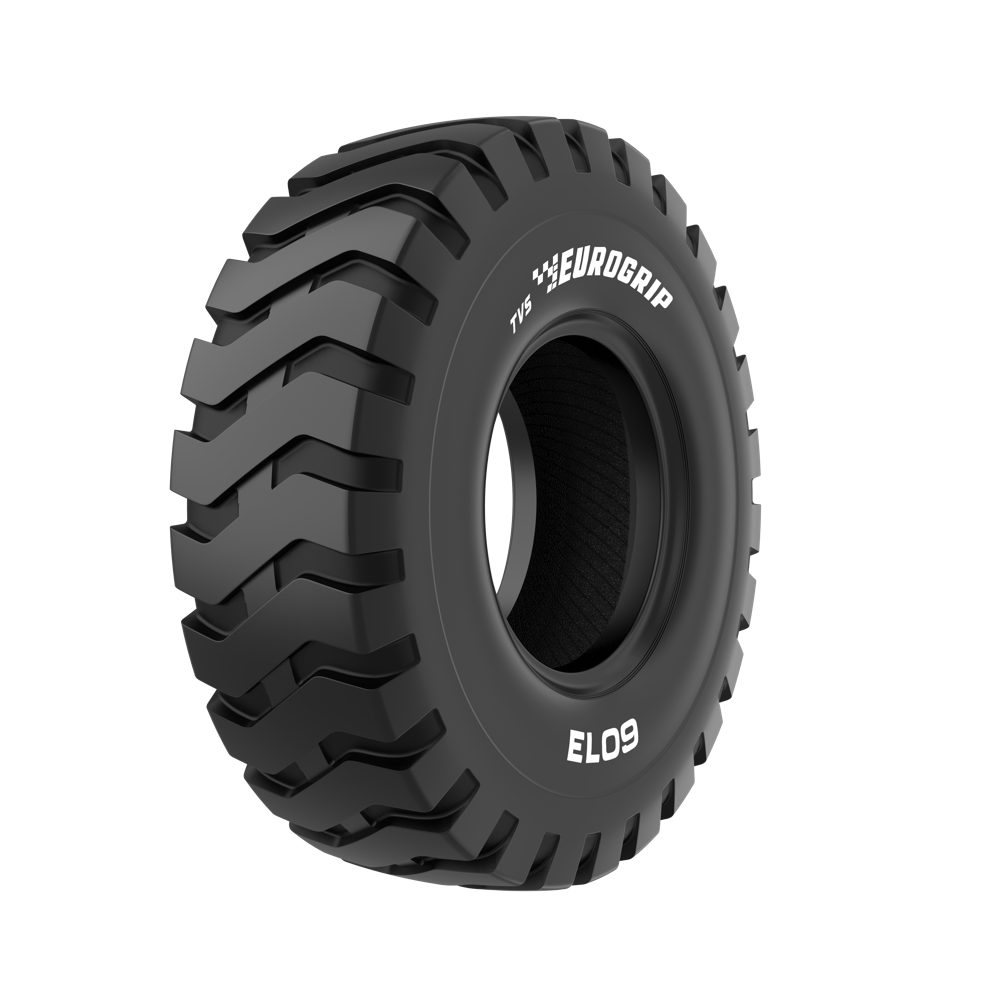
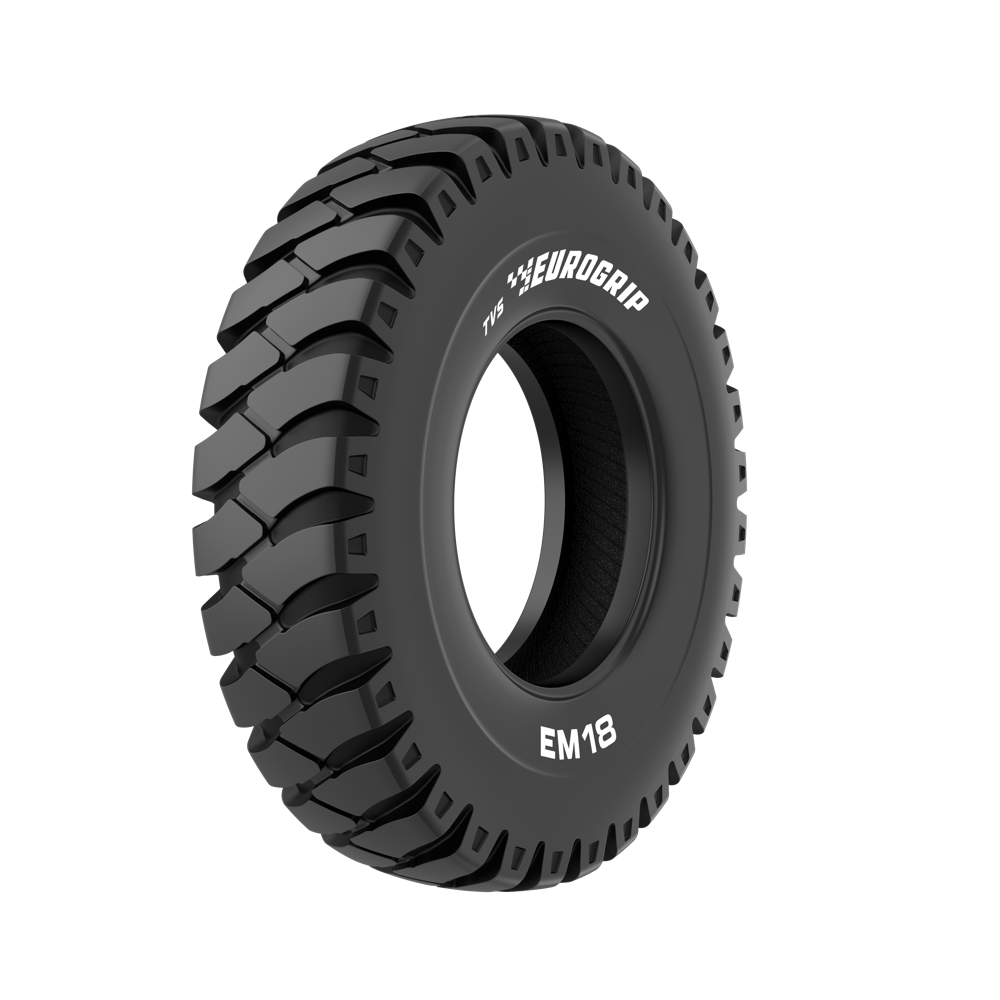
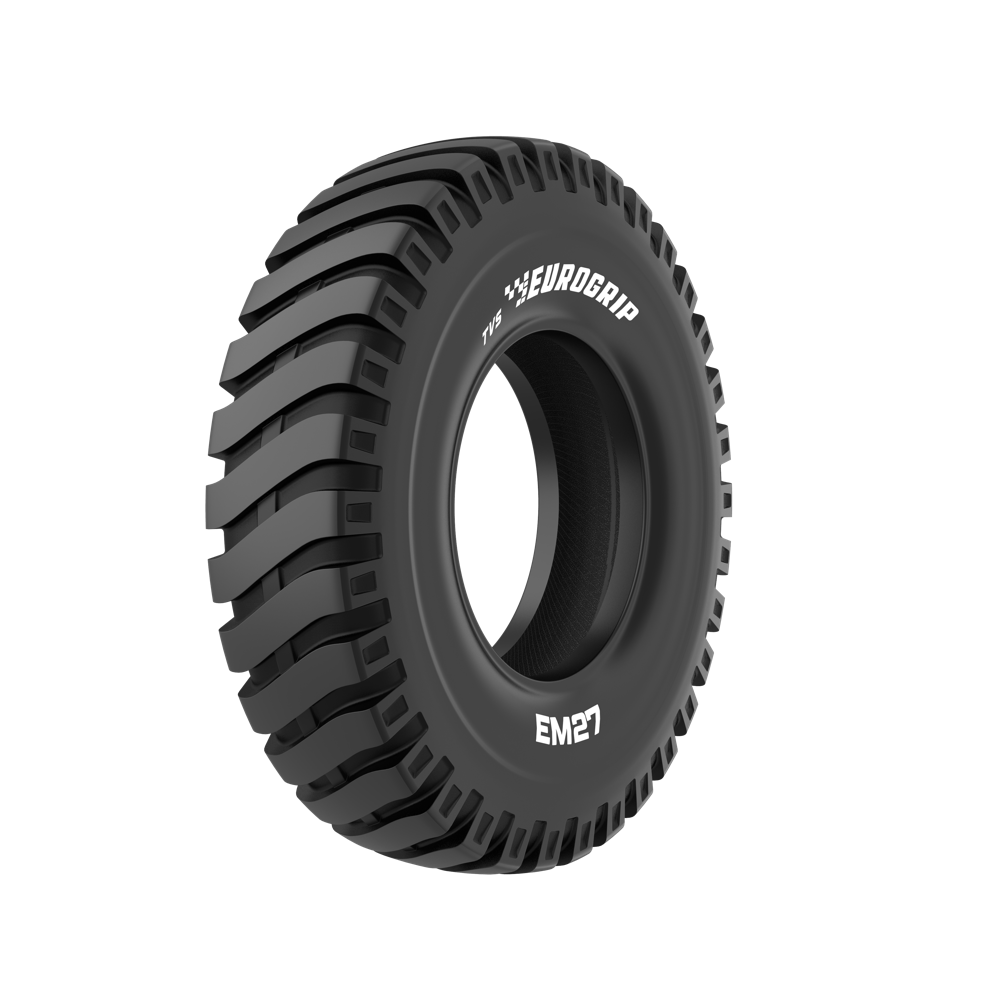
Technical Benefit Highlights
- Reinforced casing construction for improved load-bearing performance and sidewall protection
- Advanced tread compound for extended wear life and resistance to cuts, chips, and chunking
- Deep tread OTR designs for increased traction and longer service cycles in abrasive terrain
- Heat-resistant OTR tyres engineered to reduce heat buildup during long cycle operations
- Optimised tread blocks and rock-ejector grooves for reduced stone retention and better grip
- Available in radial and bias OTR construction types to suit machine duty cycles and ground conditions
Operational Use Cases
- Earthmoving & Infrastructure Projects – high-load wheel loader and grader applications
- Surface Mining & Quarrying – rugged compounds for dump trucks and articulating haulers
- Construction & Industrial Handling – machines working on rock, concrete, and high-impact ground
- Designed for uninterrupted performance in continuous 24×7 operational environments
FAQs – OTR Tyres
What is the right OTR tyre size for a rigid dump truck?
The right tyre size depends on machine capacity, load cycles, rim compatibility, and haul route profile. Selecting the appropriate specification ensures better stability, traction, and casing life while supporting maximum payload efficiency. Always refer to the equipment manufacturer’s recommendation and match it with tyre load and speed rating charts.
How to choose between bias and radial OTR tyres?
Radial OTR tyres offer better heat management, longer tread life, and improved ride comfort, making them suitable for longer haul cycles and high-speed operations. Bias OTR tyres provide stronger sidewalls and impact resistance, making them ideal for short-cycle operations and extremely rough terrain. The choice depends on duty cycle, machine type, and surface conditions.
What are terrain categories (L-2/G-2, E-3/L-3) and how do they impact tyre selection?
OTR tyres are classified based on tread depth and intended application. For example, L-2/G-2 classifications suit soft ground or general earthmoving, while E-3/L-3 classifications offer deeper treads for rocky or abrasive surfaces. Selecting the correct category ensures optimal traction and wear performance based on surface conditions.
How to maintain OTR tyres for longer life?
Regular air-pressure checks, alignment inspection, avoiding overload, and monitoring surface hazards help maximise tyre life. Scheduled rotations and ensuring proper rim fitment also improve performance and prevent premature wear or casing damage.
What warranty or after-sales support is offered for OTR tyres?
OTR tyres are supported with structured warranty coverage based on manufacturing standards, casing reliability, and performance expectations. Support is provided through technical evaluation and assistance aligned with operational requirements.
Can OTR tyres designed for mining be used on construction sites?
Yes, depending on tread category and construction type. Mining tyres designed for harsh rocky surfaces also perform well in heavy construction, quarry, and industrial sites where cut-resistance and high load capacity are essential.