
Segment
DOWNLOAD TECHNICAL PRODUCT TYRE CATALOGUES
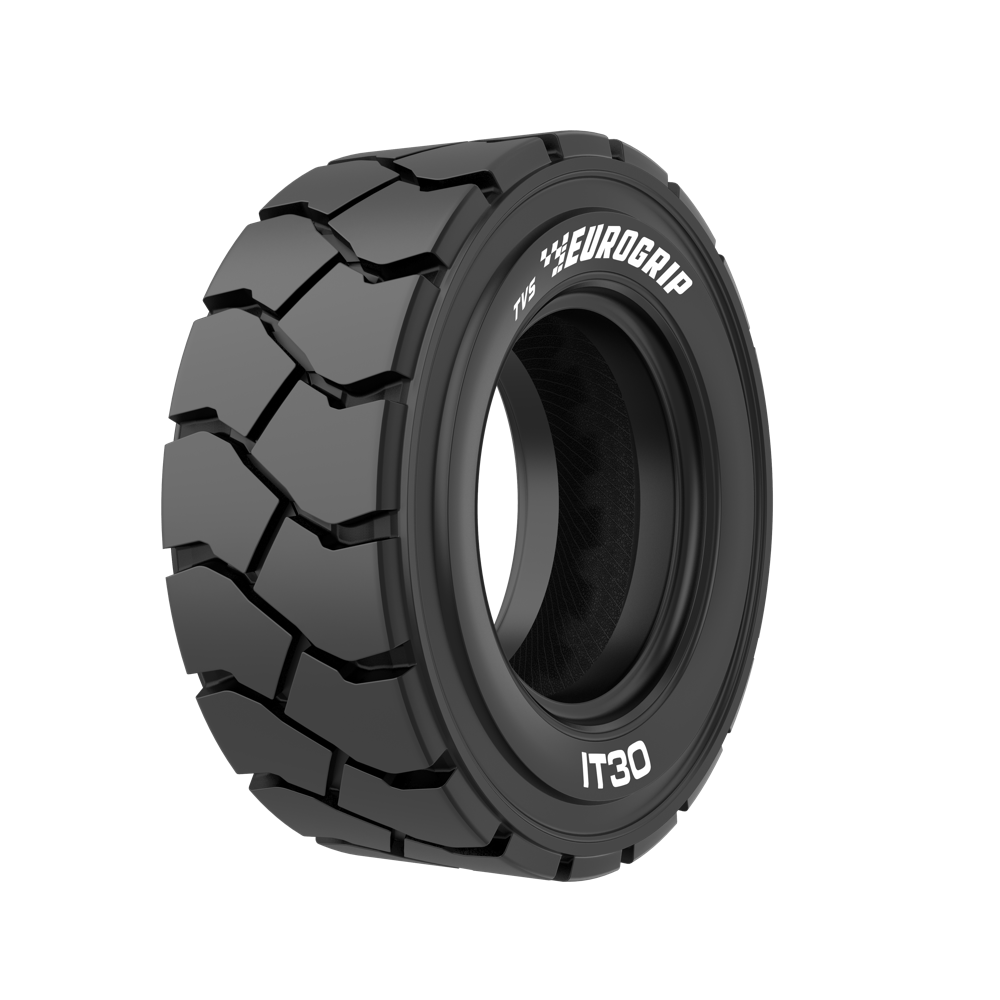
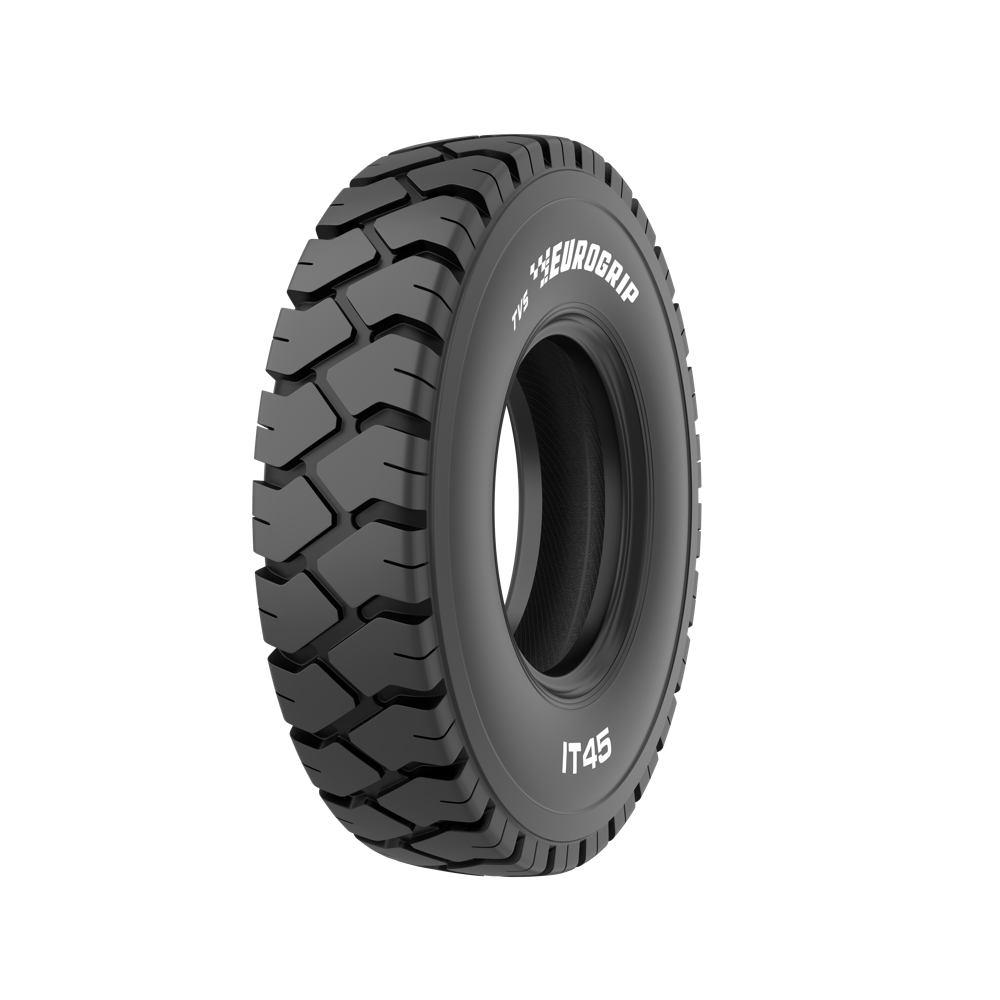
Material Handling Tyres for Industrial & Logistics Operations
Material handling operations demand tyres that deliver stability, durability, and precision under constant load cycles and confined working environments. TVS Eurogrip material handling tyres are engineered to support a wide range of industrial equipment used in warehouses, factories, ports, terminals, and logistics hubs. The range includes industrial handling tyres, forklift tyres, and material handling equipment tyres designed for reliable performance across indoor and outdoor operations. Built for continuous use, TVS Eurogrip industrial forklift tyres and rough terrain forklift tyres deliver high load-bearing capability, resistance to wear, and consistent traction on concrete, asphalt, and mixed industrial surfaces. From warehouse forklift tyres to container handling tyres and port handling tyres, the portfolio is designed to maximise equipment uptime and operational efficiency.
Forklift & Industrial Tyre Construction Options
TVS Eurogrip offers a comprehensive selection of forklift tyre types to meet varied operational needs and duty cycles. Pneumatic industrial tyres provide cushioning, shock absorption, and traction for uneven or outdoor surfaces. These tyres are suitable for applications requiring comfort and flexibility during movement. Bias (cross-ply) material handling tyres offer strong sidewalls and impact resistance, making them suitable for rugged environments and frequent load handling. Radial material handling tyres are designed for improved heat dissipation, reduced rolling resistance, and longer tread life, supporting extended operating hours and smoother handling. Solid forklift tyres, including press-on tyres, super elastic tyres, and other airless tyre solutions, are engineered for puncture resistance, stability, and low maintenance. These tyres are ideal for environments where downtime due to punctures must be eliminated.
Machine-Specific Material Handling Tyres
TVS Eurogrip material handling tyres are developed to match specific equipment and application requirements. Forklift tyres for warehouses prioritise stability, load control, and low vibration for indoor operations. Skid steer loader tyres and compact loader tyres are designed for manoeuvrability and traction in confined industrial spaces. Telehandler tyres provide reach stability and load handling for construction and logistics yards. For port and terminal operations, reach stacker tyres, terminal tractor tyres, and container handler tyres are engineered for extreme load capacity, heat resistance, and durability under continuous operation. Pallet truck tyres support precision movement and floor protection in warehouses and distribution centres.
Performance Standards & Classification
Material handling tyres are designed to meet industry performance standards that define load capacity, tread depth, and application severity. IND classifications such as IND-3, IND-4, and IND-4S indicate the tyre’s suitability for varying duty levels, from standard industrial use to severe service conditions involving heavy loads and abrasive surfaces. Selecting the correct classification ensures safe operation, reduced wear, and longer tyre life across material handling applications.
Durability, Safety & Lifecycle Value
TVS Eurogrip heavy-duty material handling tyres are engineered with reinforced casing, advanced tread compounds, and optimised footprint design to support long service life. These features reduce heat buildup, improve traction, and enhance stability during lifting, stacking, and transport operations. The result is improved safety, predictable performance, and lower total cost of ownership across industrial fleets.
FAQs – Material Handling Tyres
What are material handling tyres?
Material handling tyres are specialised industrial tyres designed for equipment such as forklifts, reach stackers, container handlers, and pallet trucks. They are built to handle high loads, repetitive cycles, and confined operating environments.
Which tyres are best for forklifts—pneumatic, solid, or press-on?
The best tyre depends on the application. Pneumatic tyres suit uneven or outdoor surfaces. Solid and press-on tyres are ideal for indoor and high-risk environments where puncture resistance and low maintenance are critical.
What is the difference between bias, radial, and solid material handling tyres?
Bias tyres provide strong sidewall support and impact resistance. Radial tyres offer better heat management, longer life, and smoother operation. Solid tyres eliminate puncture risks and are designed for heavy-duty, maintenance-free use.
What do IND-3, IND-4, and IND-4S classifications mean?
These classifications indicate the severity of application. IND-3 is suitable for standard industrial use, IND-4 for heavier loads, and IND-4S for severe service conditions involving high loads and abrasive surfaces.
Which tyre is best for heavy-duty port or container handling equipment?
Container handlers, reach stackers, and terminal tractors require tyres with high load capacity, heat resistance, and reinforced casing to support continuous heavy-duty operations.
How do I choose the right tyre for my material handling equipment?
Tyre selection should consider machine type, load capacity, operating surface, duty cycle, and indoor or outdoor use. Choosing the correct construction and classification ensures safety and long service life.
How long do material handling tyres normally last?
Tyre life depends on load intensity, operating hours, surface conditions, and maintenance practices. Proper selection and correct inflation significantly extend tyre lifespan.
What benefits do radial tyres offer in material handling applications?
Radial tyres provide improved heat dissipation, reduced rolling resistance, better stability, and longer tread life, making them suitable for extended operations and higher productivity environments.